Friday, 13 March 2009

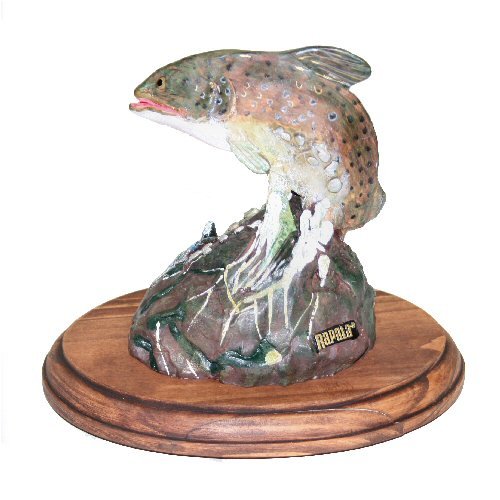
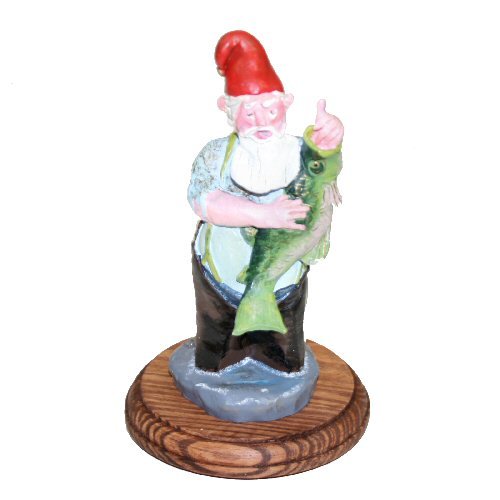
Rapala Limited 1st Edition Fishing Santa Figurine 'Tonttu Wader'

Rapala Collectible First Edition Figurine named 'Tonttu Wader'. 'Tonttu Wader' is part of the Angler Series. This figurine comes with it's own Certificate of Authenticity and in it's original box. It can stand on it's own or on the wooden holder. It stands 7 inches tall not on the wooded holder. This work is issued in a strictly limited edition of 3000 after which the master mold will be destroyed to preserve the integrity of the edition. Get them while you still can, before it's too late!


As Forrest Gump would say, you never know what youre
going to get.

Not too many things get me more excited than the prospect
of hooking and landing big fish. The mere thought of setting
the hook on a 300 pound marlin, hearing the scream of the
drag as the fish pulls off line and watching the acrobatic
leaps that follow really gets my heart pumping. Fortunately
for me, a two and a half hour flight and a 30-minute drive is
all it takes to find myself in the billfish capital of the world.
What more can a sport fisherman ask for?

Well, for starters, variety. Just like biting into a randomly
selected piece of chocolate, when you set out the trolling
lures here in Los Cabos in search of the next big one, you
just dont know what it will be. Different seasons bring
different possibilities as does different sides of the Baja
peninsula. The diversity of game fish here never ceases to
amaze me and even a slow day on the water offers the
opportunity to see some of the oceans greatest creatures.
Whales, porpoise, sea turtles and bat rays that often school
by the hundreds and perform what almost appears to be a
choreographed routine of synchronized jumps. On a spring
trip to Cabo in late march of this year, my partner Dolores
Peralta and I had another opportunity to experience the
diversity of life in these nutrient rich waters.

Jacqueline Jacquie Lee, owner of Guerita II, set us up for
two days of fishing with Captain Efren Beron Zamora and
crewman Jesus Alfredo Espinoza. Efren has a lifetime of
experience as an angler, guide and captain and has a love
of the ocean that rubs off on crew and passenger alike. The
Guerita II is a tournament rigged 34-foot Crystaliner
equipped with everything the avid angler could need or ask
for _ Shimano Tiagra 50 wide LRS & Penn International
reels, Shimano Black Steel IGFA rods and an outstanding
selection of lures, this wide-beamed fishing machine
boasts top-of-the-line electronics to help get you on the bite
fast.

We arrived at the docks at 6:30 in the morning, a little late for
Captain Efrens liking as he planned on running out about
30-40 miles in search of warm, blue water where he hoped
to put us on striped marlin and tuna. While waiting on our
arrival Efren had already loaded up on live bait from the
pangeros that supply the fleets and with no delay, we were
on our way. Winds this time of the year can be unpredictable
and on this day, the winds helped build a fairly large swell.
We motored our way out to sea on a bumpy but dry ride to
the fishing grounds. Once he found the water conditions that
best provided the chance for large billfish, he switched
driving positions to the tall tuna tower while Alfredo began to
set out our spread of lures. Purple and orange Zukers set
out at the fifth wake behind the boat, trolling feathers in pink
and white and Mexican flag patterns on the third wake and a
dark colored Marauder set close to the boat.

A few hours passed as we crisscrossed areas where
colder water met warmer, Efrens eyes trained on the
surface scanning for signs that fish were near circling and
diving birds, the tail of a marlin cruising for its next meal, a
pod of porpoise balling bait. None of the usual signs
appeared until Efrens eagle eyes spotted a feeder, a
marlin
actively working the ocean surface. A quick turn of the boat
and a punch of the throttle controls placed us in the perfect
position to present our spread of lures to the fish. The
marlin took notice and struck one of the lures back at the
fifth wake. The jigstrike started our adrenalin flowing and we
scrambled to the deck to ready for a battle. The marlin let
loose the lure just as Alfredo cast a live bait back to entice a
bite. After a few tense moments, the marlin took the bait, the
reel left in free spool in order to give it time to fully take the
bait. Flipping the reel into locked position followed by three
to four strong and sharp lifts of the rod tip set the hook on a
good sized striped marlin.

Dolores took her position in one of the two fighting chairs
mounted on the stern and within seconds the marlin was
giving us a show. Several vertical leaps and violent shakes
of its broad head and the fight began. The key to landing
marlin is the hook set. Everything depends on whether or
not the hook was in the right position when the hook set is
made. Many times, the marlin takes the bait only partially
and the hook never pierces the mouth fully when the set is
made. Unfortunately, this was one of those times. Shortly
after the first series of jumps was made, a second series
began and on this series the hook was thrown and the fish
was lost. Spooked by the encounter, the marlin sounded
and was soon nowhere to be found.

We continued on in search of another marlin, my turn in the
chair coming next. A short while later, a starboard reel
started to scream. Nothing was visible on the surface so the
likelihood of it being a marlin was slim. From the strong pull
and speed of the fish, we thought it would be a tuna and
sure enough it was. The fight lasted only 5-10 minutes and
soon we had a twenty-pound yellowfin on deck.

The trolling continued and for several hours and we had
nothing to do but occasionally switch out lures and scan the
horizon for signs of life. Efren spotted a true prize in the form
of a swordfish. While these great eating game fish can be
found here most of the year, they prefer colder water so
spring is generally the best time of year for this sought after
species. Although the sword made a turn towards our
spread and a live bait was cast directly in front of it, this fish
was apparently well fed and no matter how appealing the
presentation, it would not take the bait or strike a lure. As
they say, thats why they call it fishing and not catching. The
balance of the day produced only suntans and relaxation.

On our second day on the Guerita II, we arrived at 5:30,
determined to beat Efren and Alfredo to the boat. Once
again, Efren had made it to the boat well before us and once
again, he had already baited up. If I didnt know better, Id
say he must have slept on the boat just to make sure we
wouldnt arrive before him! We headed out, stopping off to
check in with the port authorities to present our manifest
and fishing licenses. A recent change in fiscal policies
keeps the revenues from fishing licenses within the state
where the activity is taking place. This restructuring has
apparently heightened the diligence of officials responsible
for ensuring that everyone on a boat possesses a valid
license, even those not fishing. Makes sense that if you get
to keep the money, youre more likely to make sure everyone
is playing by the rules and buying their licenses. Those that
did not have licenses in hand were sent back to the docks to
get them or there would be no fishing that day.

This day we decided to switch to the Sea of Cortez side of
the cape and concentrate our efforts on some of the
in-shore species that Los Cabos waters offer up. One of the
benefits of a pre-dawn start is the experience of viewing
some of the most spectacular sunrises youre likely to find
anywhere in the world. The skies here light up with all the
colors of an artists canvas with the endless reflection of the
ocean surface. Everything is bathed in reds, oranges and
yellows and the sky appears to be on fire. The sight alone
makes the trip worthwhile.

The Guerita II cut through the calmer waters of the Sea of
Cortez with ease by benefit of the natural windbreak that the
East Cape coast provides. We set out a mix of CD 4
Rapalas in a sardine pattern and started to work the
underwater ledges and rock piles in search of sierra or
Spanish mackerel, dorado or tuna. We ran across pods of
porpoise working bait schools to the surface. These
working pods often hold schools of tuna just below that pick
off bait from the edges of the bait ball but today, we found
just the porpoise. Off in the distance, Captain Efren spotted
surface activity and turned the Guerita towards it.

Within minutes we were surrounded by thousands of
Humboldt squid. Denizens of the northern most portion of
the Sea of Cortez, these alien looking creatures have slowly
made their way down to the southern tip of the Baja in recent
years. With tentacles reaching up out of the water like some
kind of extra terrestrial meat eating flower, we watched in
awe as they fed on floating red crab. Just about anything we
tossed into the water was immediately engulfed by the
toothy tentacles of the squid and with constant pressure and
slow pumps and reeling, we brought them to the gaff.

Legends abound about the ferocity and strength of the
Humboldt squid and while many of these tales are true fish
stories, there is ample credible evidence of the potential
for injury and even death from these marine cephalopods.
Recently, a Discovery program featured an in-depth study of
the Humboldt squid in the Sea of Cortez. During times of
agitation, such as when these animals are being fished by
fleets of pangeros who make a significant share of their
income from the sale of the tasty beasts, they can and do
become very aggressive. One pangero spoke of his
encounter with the squid with fear and respect. While
working a large school, he lost his balance and fell into the
water. Within seconds, several five to six footers locked onto
him and began to pull him under, all the while biting into his
flesh with their impressive and powerful beaks. He
managed to free himself and make his way back to the
surface and into his panga, scared and exhausted. The
scars that he showed tell the tale all to well. He also told of
others that did not fair so well, never making back to the
surface.

While events like those have occurred, the squid are usually
no more than curious about visitors to their domain. It is the
frenzied activity caused by fishing these creatures that
creates the aggressive and often cannibalistic behavior.
Divers have been able to get up close and personal with
the Humboldt squid when no fishing pressure was present,
all without being attacked or harmed in any way. The
aggressive behavior and flashing of colors associated with
a feeding frenzy brought on by fishing pressure is simply not
a normal occurrence, but more a reaction to the situation at
hand. You need not fear the squid but make sure to stay
away from the business end. Tentacles with hundreds of
toothed suction cups lead to a bird-like beak with incredible
power. Ink on the other hand can reach you from
astonishing distances as my partner, Dolores, can testify.

While fighting a squid estimated at about fifty pounds, she
experienced the jet blast of a Humboldt squid firsthand. As
the squid was gaffed, Alfredo jumped off to the side leaving
Dolores directly in the path of what seemed to be gallons of
ink shooting from out of the squid. In a split second she was
covered head to toe in the slimy, dark liquid. Being the
trooper that she is, she laughed it off, wiped herself clean
and tossed her line back out to catch another one. By that
time we had been joined by over a dozen other charter
boats
and pangas and everywhere you looked, people were
battling these impressive animals. Great fun, an awesome
sight and great table fare was the end result. We left the
spot having boated 3 squid and cleaning the ink from the
deck of the boat.

Our next area of focus was just a few hundred feet from
shore working the reef structures that line the coast.
Catching eight to ten pound sierra on light tackle is an
experience I recommend highly. We picked off a few sierra
and even landed a small mako shark before we called it a
day and headed back in, all the while amazed at the beauty
of the azure blue and turquoise green waters of the Sea of
Cortez.

So if you are one to enjoy the ocean and the surprises that
such a aquatic paradise promises, fishing the waters of the
Pacific ocean and the Sea of Cortez in Los Cabos is a
dream come true. Finding the right boat and crew is of the
utmost importance in ensuring a successful and
memorable charter. When it comes to making that choice,
we cant recommend Jacqueline Lees Guerita II and the
knowledge and hospitality of Captain Efren Beron Zamora
and crewman Jesus Alfredo Espinoza enough.

To book your trip, visit their site at
http://www.gueritasportfishing.com or call 011-52-624-143-4465
and tell them Cabos Best told you all about them.

Richard Chudy and Dolores Peralta are the co-owners of http://CabosBest.com, a travel information portal for Los Cabos, Baja Sur, Mexico. An avid and frequent Cabo traveller, Richard brings his travel experiences to the web for others interested in exploring all that Cabo has to offer.

To reach him, email caborich@cabosbest.com or call 1-818-702-0876.

Copyright 2005 CabosBest.com

shimano fishing

Monday, 9 March 2009

Shimano® 2-Pc. FX Spinning Rod

Big Shimano quality and sensitivity at a price even the fish can afford! Shimano is the big fish in the pond when it comes to rod construction. And the FX Spinning Rod gives you all their knowledge and experience at a great price. Cast a line on these features: Durable Aeroglass blank construction gives fast-response at a price that's sensitive to your budget; Reinforced aluminum oxide guides for smooth line flow on every cast and retrieve; Solid locking graphite reel seat; Comfortable EVA foam-grip handle. The legendary quality at a no-worries price! State Size. Order Today! Mfr. Number: FXS-50ULB2, Length (ft.): 5', Action: Ultra Light, Line Rating (lbs.): 1-4, Lure Rating (ozs.): 1/32-3/16, Pieces: 2, Foregrip length (in.): 2 in., Reargrip length (in.): 5 in., Guides: Tip+4; Mfr. Number: FXS-56ULB2, Length: 5'6", Action: Ultra Light, Line Rating (lbs.): 2-6, Lure Rating (ozs.): 1/32-3/16, Pieces: 2, Foregrip Length: 2 in., Reargrip Length: 5 in., Guides: Tip+4; Mfr. Number: FXS-60MB2, Length: 6', Action: Medium, Line Rating (lbs.): 6-14, Lure Rating (ozs.): 1/8-1/2, Pieces: 2, Forgrip Length: 2 1/2 in., Reargrip Length: 6 1/2 in., Guides: Tip+4; Mfr. Number: FXS-66MB2, Length: 6'6", Action: Medium, Line Rating (lbs.): 6-14, Lure Rating (ozs.): 1/4-5/8, Pieces: 2, Foregrip Length: 2 1/2 in., Reargrip Length: 7 1/2 in., Guides: Tip+5; Mfr Number: FXS-66MHB2, Length: 6'6", Action: Medium Heavy, Line Rating (lbs.): 8-17, Lure Rating (ozs.): 1/4-3/4, Pieces: 2, Foregr


A lot of families today are looking for a way to reconnect with their children. A great way to disconnect from the wear and tear of daily life is to pull up stakes, pack some tents and a cooler and head out camping. The break from electronics and the letting go of pressures to run free in the outdoors is a fantastic gift to give your children, and camping will most likely leave an impression of fond memories with your kids for years to come.

Being outdoors is the best way to let loose and relax with your family for a night or three. Life has become so fast paced that we can hardly think at times, but camping gives us all a chance to forget about our busy lives for a little bit. Kids absolutely love camping because they get to explore the wilderness first hand. They are free to roam the surrounding area, swim in the nearby lake, catch fish with their Dad, and help cook with only the basics. It is a whole family experience when you go camping.

There are other benefits to family life that camping provides. Being away from the bustle and daily grind is often relaxing for parents, and the tension flows away, leaving kids wondering who replaced their harried, too-busy-right-now mother and father with these mellowed out people. In return, the pressure of performing easing up, kids will most likely be far more pleasant and obedient, willingly helping out with cool chores like fetching water to wash dishes in a plastic pan, or sweeping sand and dirt out from inside the tent. Usual annoyances like brushing teeth will become novel experiences for your kids and they'll probably end up reminding you that it's time to take them down to the public bathrooms to have a shower.

One more great thing about camping is the fun places and things your kids get to do. A night looking at stars is fun for all, as is an afternoon in the fishing boat or a hike along the water's edge. Kids, lost in the excitement of their camping adventures, will also be learning new skills throughout all of this. They can witness you make a campfire from the wood they collected, or cook dinner using just the bare essentials. They will undoubtedly discover that perhaps all of the luxuries they have become accustomed to in their daily life are not so necessary after all.

While camping, your children will discover facets of their parents they never knew of, and parents will also see that their children, away from home and in the fresh air and sun of the outdoors, really aren't video-addicted creatures with no more motivation than the newest Xbox game or latest DVD out on store shelves. Camping trips can strip away the craziness of a fast-paced, throwaway society, revealing good natured people enjoying life and each other's company just because they can.

John Packer is an avid fisherman and recommends GoFishin.com for all your needs for fishing tackle based on their wide selection, super discount prices, and great service. Sign up for the newsletter and get weekly specials on Shimano fishing reels and various fishing supplies to fill up your tackle box and catch more fish.

shimano fishing

Wednesday, 4 March 2009

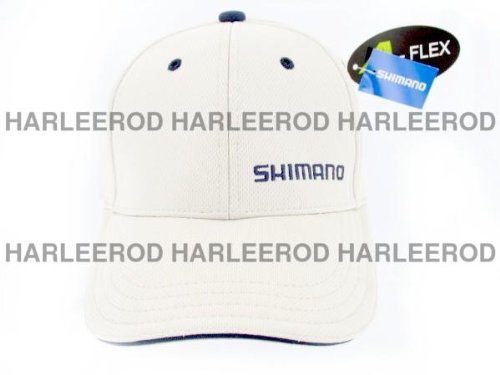
Shimano Freshwater Saltwater Fishing Hat Stone M/L New

The smallest necessities are sometimes the most critical for a day of fishing. These products can make a day on the water more comfortable and help you increase your fishing success. # Construction 100% Polyester. Features# Six panel medium profile cap.# Curved sandwich bill# A-Flex head band fits comfortably to your head size.# Padded sweatband for comfort.# Shimano logo embroidered on both front and back.


Many anglers wonder what the difference is between spinning reels. In all honesty there isn't a ton of difference, and there are many quality spinning reels available for very affordable prices. As a matter of fact, for ultra light to light action fishing (which are the sizes that offer the most "sport" to your fishing experience) it's probably not necessary to spend any more than $50 for a quality spinning reel. Some manufactures that produce quality spinning reels would include: Daiwa, Pflueger, Quantum, and Shimano. My personal favorite id Pflueger, but this is simply my personal preference.

The biggest single factor in picking out a good spinning reel is the amount of ball bearings that are in the drive mechanism (which is where the handle is turned). Generally the more ball bearings, the better. Why is this? Simply because the less ball bearings there are, the more "play" there is in the crank, and the less play there is, the better. I personally like having very little or no "play" in the handle of my spinning reel. To me, this play factor is the biggest single factor in a good spinning reel.

After this what your looking for are mainly ascetics. After all, you want your reel to look good with the rod your using, right? Not only look good but fit properly. This is usually fairly simple. If you have an ultra light action rod, buy an ultra light reel, and if you have a light action rod buy a light action spinning reel. This information can be found in small print at the base of your fishing rod, in case you didn't know.

Another consideration, that is again up to personal preference, is the location of the drag adjustment. The drag adjustment will be either on the spool or heel end of the spinning reel, and is a consideration. I prefer my drag adjustment be on the spool end, but again this is largely up to personal preference. My fishing buddy prefers his on the heel of his spinning reel.

The bottom line is that any of the manufactures mentioned in this article would be a fine choice for a good spinning reel. Problems usually arise when anglers buy from un-known manufacturers or try to be too frugal. I would personally be really wary of any spinning reel that cost less than $20. However for $25-50 you should be able to find a really good spinning reel.

Trevor Kugler
Co-founder of http://www.JRWfishing.com
Trevor has more than 20 years of fishing experience, 15 years of business experience and currently raises his 3-year old daughter in the heart of trout fishing country......Montana.

Here's some great spinning reel choices - http://www.jrwfishing.com/fishing_rods_reels.html

Become A Better Angler & Get $10 for your trouble!!!!!! - http://www.jrwfishing.com/signup.html

shimano fishing

Friday, 27 February 2009

Rapala 1st Edition Fishing Figurine Goin' Upstream

Rapala Collectible First Edition Figurine named Goin' Upstream. Goin' Upstream is part of the Trophy Series. This figurine comes with it's own Certificate of Authenticity and in it's original box. It can stand on it's own or on the wooden holder. It stands 4 inches tall not on the wooded holder. This work is issued in a strictly limited edition of 3000 after which the master mold will be destroyed to preserve the integrity of the edition. Get them while you still can, before it's too late!


A land where you can hope to snag a hundred lb sailfish using unique gear, where sports fishing charters are available for a wide range of cities located along the coastline (Miami, Pompano & Palm Beach and Fort Lauderdale, to name a few) and great fishing adventures an everyday story - that's the South Florida sport fishing trip for you!!

The Gold Coast in south Florida sport fishing trips area does live up to its name and provides fishermen many opportunities to reel in big Barracudas, Swordfish (known as the gladiator of the sea) and other species like the Mackerel, Kingfish and Amberjack. Of course, those looking out for different fishing holiday with customized fishing gear and tackle routine can rest their claims for fun on hoping to reel in the mighty sailfish - with a record 110 lbs of baggage it carries, it makes for a fine fishing tale!

Inventive anglers are known to play their best lures to snare a sailfish, as old hand at the fishing reel: Captain Vinnie LaSorsa of the GoodFellas Fishing Charters fame is known to do - sailfish reeled in by kite! The kite reeled in a mighty sailfish to Captain LaSorsa and crew-members who'd been luring the fish with live bait hanging from fishing kites, which had suspended hooks skimming the top of the waters; this action created rippling sound waves that attracted the big fish (tuna is also susceptible) and thus the story was told.

However, fishing for the big ones like the Sailfish and Tuna does call upon a huge amount of energy for the fisherman and a hearty breakfast is recommended before setting out to sea - for the sailfish is the hardiest saltwater fish to capture. Those who are not convinced can move on to grappling with sharks on the reel, we say!

And if you take us seriously, then it's Captain Mark the Shark, located out of Miami Beach, that you need; he knows all the varieties - be it the Hammerhead, Bull shark, or the Thresher, he's one skipper that has the reputation of holding a world record for reeling in these predators of the sea.

On the score of fishing tackle, when on a South Florida sport fishing trip, you can take the expert guidance of an experienced fisherman to differentiate between the different kinds of fishing rods, reels and baits best suited for deep sea fishing in waters known to him. These are namely, Penn Formula 2-speed reels, Black Bart Extreme Breakfast Teaser lures, saltwater fishing rods from the Shimano Tallus family and the Illand Black Hole lure. So, you are spoilt for choice when it comes to choosing gear and fishing holes both when on a South Florida sport fishing trip that can be limited to a day-trip or a close-to-shoreline one (e.g. Fort Lauderdale has fish a couple of mile off the coastline).

Thus, we find that booking a South Florida Sport fishing trip is not only the best way to get some outdoor angling fun but more great tips can be added to the avid angler's fund of knowledge by looking up the The South Florida Sport Fishing magazine and women to have their own contest here, called the Senorita Shootout. This is organized in Miami and Fort Lauderdale and women are known to catch all species of fish - from Blackfin Tuna to kingfish and the Wahoo. All types of timelines available for charters!

Abhishek is an avid Fishing enthusiast and he has got some great Fishing Secrets up his sleeves! Download his FREE 116 Pages Ebook, "Fishing Mastery!" from his website http://www.Fishing-Masters.com/772/index.htm. Only limited Free Copies available.

shimano fishing

Tuesday, 24 February 2009

Rapala Limited 1st Edition Fishing Santa Figurine 'Tonttu Wader'

Rapala Collectible First Edition Figurine named 'Tonttu Wader'. 'Tonttu Wader' is part of the Angler Series. This figurine comes with it's own Certificate of Authenticity and in it's original box. It can stand on it's own or on the wooden holder. It stands 7 inches tall not on the wooded holder. This work is issued in a strictly limited edition of 3000 after which the master mold will be destroyed to preserve the integrity of the edition. Get them while you still can, before it's too late!


A bright hot, sunny August day calls for a certain pattern to put Largemouth in the live well. That's when dunking comes into play. A bay or a whole lake for that matter, matted with weeds could send many of the hearty bass anglers home in frustration, but a true Bass angler welcomes the challenge!

Dunking requires simple tools for simple tactics. The first and most important tool is a long trigger rod. Keep in mind that you will be reaching for pockets in the weed growth so try to use something lengthy, but light and strong. I am 5'6" and a 6'10" or 7' rod is plenty long enough for my arms to hold all day. A good choice would be a heavy action Quantum P.T tour edition trigger rod or a Shimano Crucial heavy action extra fast rod. Both rods are light and tough and you won't tire yourself wrestling with them all day. For reel selection, well, for dunking Largemouth I think it really doesn't matter what type of bait cast reel you use because, as I will explain, it's all in the rod, the line and you!

The Bass hide in the weeds during sunny hot days and keep themselves nice and cool under the canopy of weed growth, so the more weeds the better. Dunking works best in relatively shallow water say, 6 to 8ft. Deeper water can be dunked if one has arms and a rod long enough. The simple trick to dunking is basically freeing up just enough line from the reel so as to touch bottom then engaging it while having your free hand and the rod to do the rest. With your bait on bottom and the rod just above the water give your rod a few tugs to give the bait some life, then without using your reel, pull the bait swiftly out of the water using the length of your rod. At the same time the other hand pulls away the line as opposed to reeling the line in. To submerge the bait keep your rod tip up and your bait dangling about mid rod length and direct it to the next pocket while letting go of the line so that the bait can work its way down to bottom once again. This is done as you're drifting or using the bow mount to move you about. You can imagine how thankful you'll be to for purchasing a light strong rod!

A shore line thick with pencil reeds and bulrush is prime 'dunkin' area too. Sometimes pitching and flipping the inner pockets of these weeds just isn't enough to get the big hogs to take the bait, you have to get deeper and deeper to get to the Bass. Basically extend your arm and rod as far as you can reach then disengage the reel to drop the bait into the thick of it. Engage the reel, and without reeling in line, use the rod, while grasping the line to pull the bait out and drop once again into the next pocket. This method of dunking was responsible for two of the top 4 finishes in a tournament that I will never forget. A 4th place finish left my 'butt' awful sore from me kicking myself over and over again! I was dunking off shore, not in shore for my Bass, but keep in mind that dunking alone was responsible for 3 of the 4 top placements.

We all know that logic is a key factor in any type of fishing. Who would have thought that such an easy method of catching Bass could exist! But believe it or not the simplicity in dunking for Largemouth is just that, 'logical'!

Visit Nic DiGravio at http://www.probassfishing.ca

shimano fishing

Monday, 16 February 2009

Evair Fishing Boot -Mens

Lightweight and waterproof in one!

Made of one piece molded EVA with ergonomic arch, these innovative boots are as comfortable as they are practical, making it easier on your feet for those all-day fishing trips. The molded air channel system circulates air within the boots to help your feet cool, while keeping them dry. Feature non marking outsole with water-chanel design, which provides extra grip on a soaked boat deck. Vcut ankle for easy on and off. Cleans easily with soap and water and towel dry.


Specialized reels, to me, are gold out on the water. And what is a specialized reel you ask? Well, a reel with special added tools such as flipping switches fit the category. These reels specialize in flipping, of course, with the added bonus of good quick reeling with high ratios. Line capacity is also a special item because when fishing the Carolina rig or in deep water, for example, the more line the better.

When skipping docks line capacity reels are not important as far as I am concerned. What should be special in this case is the speed of the reel and type. Spinning is best with a 6.0:1 gear ratio because free spooling ease can be had and slack line can be kept at a minimum. These characteristics are what make this type of reel special for skipping.

Certain features are incorporated into reels for a reason. Fast trigger spinning reels like the Spirex from Shimano is a good special tool to have when working crank baits or stick baits. Reel it home, then just simply press the trigger and cast again and again. All one has to do is reel back enough and 'presto', always in the same position. Now try setting the hook on a Bass while dragging a tube with this type of reel and you will have that ever present line of travel to the trigger position. And that could mean the loss of a good fish. It is still, however, a specialized reel, in my opinion.

I know, believe me, specialized reels require special budgets, especially when they are many and the dollars are few. There are many reels that will do many tasks, special or not, and when choosing a reel, keeping things in perspective is key. What will we be doing with this reel? Do we need a high gear ratio or large line capacity reel? Or, better yet, do we specialize in one rig only? Hey, don't knock it! Many tournament anglers I know use jigs and trailers exclusively, and carry two or three of the same specialized combo with the only difference being jig colors. It works for them, so it might work for you too. But for me, well, I am partial to all my specialty combos. I like to be ready for any special circumstance where Bass can be had. I love a good challenge where variety and versatility is constantly utilized!

Now how about specialized rods or combos, fishing line, baits, rigs, the list is endless. But keep in mind that each and every little special item incorporated into fishing products is there for good reason; and that is to put fish in the live well using the best resources and technology available! And that, my Bass angler friends, is a fact!

Visit Nic DiGravio at http://www.probassfishing.ca

shimano fishing

Monday, 26 January 2009

shimano fishing

shimano fishing

Gorgeous, acrobatic, and lit-up, Sailfish rank as the # 1 sporty catch of south Florida. But there is a lot involved in the catch and release of these sought after game fish, after all their not the best table fare. How much vacuum packed smoked Sailfish can you eat? So whats involved in catching the Sailfish? What kind of bait? What is the best rod and reel set-up? What are some of the techniques to use on the water? Lets start out and learn from the end result and work our way to the beginning.

The fact is Sailfish fight their heart out, displaying themselves in full view acrobatics over and over again. Did you ever run the 100 yard dash in high school? What happened when you finished? If you were like me, you stood there with your head between your knees and tried to catch your breath. A Sailfish doesnt have the luxury of sitting there and catching his breath, they will sink. So what do you do when you get a Sailfish that looks half dead at your boat side? You need to resuscitate him! Put on your gloves, grab his sandpaper like spindle beak, remove your hook and hold him boat side, preferably with the boat in gear. You need to revive him for 5-10 minutes before you let him go. This might take some patience, but the reward is great when your prize catch swims away in good health ready to fight another day.

The above scenario is a bit traumatizing for the Sailfish, dont you think? Not to mention a little novice. Most cases when a Sailfish has to be resuscitated it is because the fight was prolonged. Fighting your Sailfish on anything less than 20 lb. test will prolong the battle unless you chase down your fish. Personally I prefer to fight my Sailfish with no help from the boat, but I also have that luxury since I fish from a center console. My clients have on numerous occasions commended me for not chasing down their fish, they appreciated catching their fish all on their own. As an example, if your using a 12 lb. set-up, you will need to hold at least 400 yards on your reel, and you might still get spooled from your average Sailfish if you dont chase him down. Even if you dont get spooled what fun is it seeing your fish jumping 300 yards away from the boat not to mention all that line dragging in the water increasing the risk for it to break. And finally you might have your fish boat side an hour or so later.

Fast reels, Hot baits

One of my favorite set-ups for Sail fishing is a Shimano TLD 20, spooled with over 400 yards of Berkley Big Game 30 pound test, accompanied with a seven foot, medium action Oceanmaster rod. This rod and reel set-up has caught tons of Sailfish over the years and remains unbeatable offshore. Keeping 4-5 pounds of drag set in the strike position, most Sailfish stay inside of 150 yards from the boat and are brought to the stern within 20 minutes. I use Berkley Big game fishing line on most reels, it doesnt have a lot of stretch or memory and is easy to tie with, it also is abrasive resistant. With experienced fishermen on board Ill tie a 5/0 Lazer sharp Eagle Claw Salmon hook directly to the main line. You can bring in the fish within 20 minutes and the line holds up very well, and you get a lot more hits that way. You will need to retie your hook after each fish caught to be safe from any nicks or chaff on your line.

Putting the right bait on your hook is critical to your success. I have caught Sailfish on Ballyhoo, Pilchards, and Threadfin Herring, but my best success is the valuable goggle eye. ( Literally at $50. to $100. a dozen) They are a soft bait with big eyes and strong swimmers making them great baits for all techniques. You can catch this bait on size 12 sabiki rigs but only at night, thats when the Goggle-eye becomes active. You can find them around structure up to about 80 feet of water and around anchored ships. As soon as the sun comes up the bite is off unless there is a full moon setting as the morning light breaks, then the bite will last just a bit longer. So prepare to fish for these Goggle-eyes 2-4 hours before sunrise giving yourself time to find them first.

The Technique

Setting up on the drift.

As mentioned earlier, on my flat lines I like to tie the hooks directly to the main line, otherwise Ill tie a short bimini to the tag end and attach my leader, 10 feet of 40 pound test Seaguar Fluorocarbon with an Albright knot. This knot takes practice, but once you get the feel of how this knot works you will never change. 2 to 3 flat lines are usually deployed at 50, 80, and past 100 feet away from the boat. 2 down lines are deployed at 40 and 80 feet down. The down lines are rigged different since weights are attached and the baits make more line twist, therefore I attach a stainless steel ball-bearing swivel to my Bimini and then 8 feet of 40-50 pound mono attached to 1 foot of # 4 wire Kingfish rig. You might not want Kings, but sooner or later your drift is going to take you over their zone, so be prepared for cut-offs. Most of the time I tie wire to all the rigs because the Kings bite on all lines. I use 4-6 oz weights on the down lines. The weight can be attached a few different ways. I like to insert the Bimini twist into the weight then tie on my snap swivel. You can also take a piece of dental floss, attach it to the weight and leave a long enough tag end to tie to the swivel. You can also use the breakaway technique where you will lose the weight. You take your line above the swivel and insert it through the weight so a loop appears on the other end, then take a rubber band, put it through the loop a few times and pull the mono slowly so the rubber band gets stuck inside the weight. When a fish strikes, the pressure on the line will release the weight. Setting your lines for the kite is the same as the down line without the weights. Tie your bimini, attach your ball-bearing swivel rated for 75-100 pounds, tie 8-10 feet of 50 leader material to the swivel and attach your tag end if you prefer, to 1 foot of # 4 wire leader attached to your hook via a haywire twist. Then I will take a 2 foot strip of red or orange ribbon and attach it to my swivel on the Bimini end, that way I can monitor my baits much easier.

Slow trolling

This technique is more advanced than drifting. It requires dropping your baits back on the strike. Sailfish are very sensitive as they pick up your bait, if your bumping in and out of gear a Sailfish can come up on your bait, mouth it, and if your drag is tight the boat will pull it from his mouth and he might not come back. I prefer to keep my drags in free spool with the clickers on, or on a spinning outfit I will leave the bail open, attach a piece of copper wire to the arm that is attached to the rod and make a small hook to hang the line on, with a gentle tug, the sailfish will pull the line from the tiny hook in the copper wire and put this reel into free spool as it runs with the bait. Let the fish eat for at least 5-10 seconds, or until he takes off speedily, then put your drag lever in the strike position and reel down until line starts peeling off the reel. When the kite bait gets hit, the Sailfish needs time to eat just like above, as you reel down on the fish the line will pop off the clip, so reel fast to get tight before he jumps. If he jumps before you get tight, chances are you missed him.

Prime time for south Florida Sailfish starts from November through April when these fish are concentrated in 100 to 200 feet of water. On winter days as the wind comes out of the east it is not unusual to get 4-5 releases in a days fishing out of Ft. Lauderdale, 3 or more releases constitutes a good day. During the winter season be sure to present plenty of baits down deep, at least 50 feet or more down. We catch a lot of sails this way, it seems the top part of the water column is a bit too cold for them especially on those days when the winds are blowing from the north.

When targeting Sailfish, look for the edge where the cobalt blue waters meets the green water. This is where the bait usually winds up as these two currents move against each other. This edge always changes, sometimes you will not find blue water past 700 feet or so. Dont neglect this area, many times I have put lines down from 75-100 feet and came up with a beautiful tail walker. Pay attention to the current as well, a good 2 knot north current produces some of the best bites.

Captain Cary Hanna fishes the offshore waters off Ft. Lauderdale beach from the Hillsborough inlet south to Haulover. He pursues Sailfish, Kingfish, Dolphin, Tuna, Sharks, and Swordfish aboard his 2004 Donzi 32 ZF center console, powered with twin 225hp. Mercury Optis. He can be contacted at 954-907-0967 or visit his website for the latest fishing report and pictures at http://www.newlattitude.com

shimano fishing

Tuesday, 20 January 2009

Shimano Tiagra 16 Big Game Fishing Reel Cover New

Keeping your tackle safe and secure is very important to fisherman. This gear was designed to help you prevent any unnecessary loss of tackle during a day on the water. Protect your reels with Shiamno's new neoprene reel covers. All sides made of neoprene to help absorb the bumps and scratches. Design allows for reel covers to be mounted while the reel is on or off the rod. All sides made out of 5mm neoprene # Gold logo and stitches over shiny black fabric match the color of Tiagra reels and Tallus rods.# All reel covers fit perfectly to specific size of Tiagra reels.


Specialized reels, to me, are gold out on the water. And what is a specialized reel you ask? Well, a reel with special added tools such as flipping switches fit the category. These reels specialize in flipping, of course, with the added bonus of good quick reeling with high ratios. Line capacity is also a special item because when fishing the Carolina rig or in deep water, for example, the more line the better.

When skipping docks line capacity reels are not important as far as I am concerned. What should be special in this case is the speed of the reel and type. Spinning is best with a 6.0:1 gear ratio because free spooling ease can be had and slack line can be kept at a minimum. These characteristics are what make this type of reel special for skipping.

Certain features are incorporated into reels for a reason. Fast trigger spinning reels like the Spirex from Shimano is a good special tool to have when working crank baits or stick baits. Reel it home, then just simply press the trigger and cast again and again. All one has to do is reel back enough and 'presto', always in the same position. Now try setting the hook on a Bass while dragging a tube with this type of reel and you will have that ever present line of travel to the trigger position. And that could mean the loss of a good fish. It is still, however, a specialized reel, in my opinion.

I know, believe me, specialized reels require special budgets, especially when they are many and the dollars are few. There are many reels that will do many tasks, special or not, and when choosing a reel, keeping things in perspective is key. What will we be doing with this reel? Do we need a high gear ratio or large line capacity reel? Or, better yet, do we specialize in one rig only? Hey, don't knock it! Many tournament anglers I know use jigs and trailers exclusively, and carry two or three of the same specialized combo with the only difference being jig colors. It works for them, so it might work for you too. But for me, well, I am partial to all my specialty combos. I like to be ready for any special circumstance where Bass can be had. I love a good challenge where variety and versatility is constantly utilized!

Now how about specialized rods or combos, fishing line, baits, rigs, the list is endless. But keep in mind that each and every little special item incorporated into fishing products is there for good reason; and that is to put fish in the live well using the best resources and technology available! And that, my Bass angler friends, is a fact!

Visit Nic DiGravio at http://www.probassfishing.ca

shimano fishing

Monday, 19 January 2009

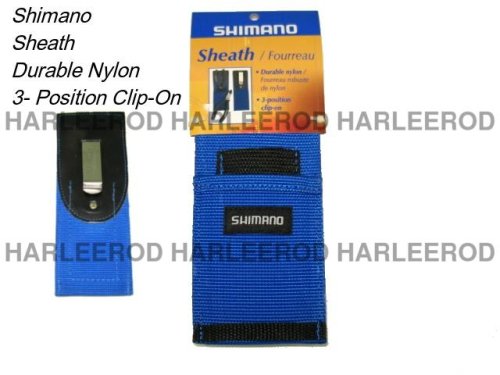
Shimano saltwater fishing pliers sheath new

Shimano's fishing tool's sheath allows you to keep your fishing tools at your side. Durable nylon sheath will accommodate pliers up to 8" and has a leather backed stainless steel clip for use with or without a belt


In modern carp fishing the ability to cast further is a definite advantage in the anglers armoury. The fact is, that despite what their estimated casting range is, most anglers will struggle to better 100 yards by any great margin.

Not all waters allow boats or bait boats, so being able to cast is a real plus, and can make the difference between catching and not catching. I remember all too well blanking on a lake in France because the fish were at 150 yards and I couldn't reach them. The Dutch guy in the next peg was casting there easily. Needless to say he bagged up... much to my frustration.

We can't all afford to go out and buy top of the range gear, which is what you 'll need to compete with the top casters.. that and loads of tuition and a modicum of talent. For us mere mortals a few hints and tips can get us up to the 140-150 yards range. I've done it measured, so as an average caster I can tell you it works. These tips were picked up from Mark Hutchinson and Mehdi Daho, but if you really want to get into the big league. I suggest you take lessons with someone like Mark.

Ok so here are 10 tips that will help you cast further with your regular carp gear.

1. Use a Large Spool Big Pit 'Type' Reel: These don't have to cost a fortune, the Shimano AERLEX costs as little as fifty quid. Okuma make excellent value big spool reels too.

The top flight reels like the Ultegra's from Shimano and Tournaments from Daiwa will set you back a few bob, but are excellent tools. The advantage of the wide spool on a big pit is that the diameter doesn't drop as quickly as you cast, thus less friction builds up on the spool lip, increasing your distance.

2. Fill Spool to the Rim: Make sure you fill your spool right up to the rim. Modern fixed spool reels used in carp fishing have pretty good line lay, compared to the awful things like Mitchell 300's and Cardinals. To make the most of the casting capacity of your reel fill it right flush to the lip. Don't overfill as you'll get bird's nests, but go as full as you can. Bear in mind that the line will bed down a bit.

3. Fill Your Spool with 10lb Monofilament Line: It stands to reason the finer the line you use the further you'll cast. You can't go mad in carp fishing as the fish are big and fight hard. In most open water 10lb mono is more than adequate. I use Daiwa Sensor 10lb for my long range stuff, but many of the quality monos on the market will do. Some anglers drop line strength even more...it's a trade off really between abrasion resistance and casting needs. A finer diameter line will naturally need far less chaffing to break it than heavy, thicker nylon. A few drops of Kryston Greased Lightening will also make the nylon flow off the reel better.

4. Use a Braided Leader: To get maximum distance with 10lb main line you'll need a shock leader. Here I'd recommend a 50lb braid for a leader material. Braid has no stretch so all your power is put into the blank and not into the stretch of a nylon leader. It will add distance to your casts.

5. Use A Helicopter Rig: The best casting rig is the 'Helicopter' rig. Set up right is is also the only rig that will leave the fish free of the line in the case of a crack off. Now these rigs DO have to be done right. The wrong set up and you have a death rig, as the fish trail line and the lead. There are several companies making either ready to use rigs or selling the various end rig items you need to make a safe set-up. Please pay careful attention to this! The poor set up of the helicopter rigs has seen it banned on my waters, which is stupid, as done correctly it should be the safest rig out there.

It lets the lead fly first and the bait follows, giving you a more aerodynamic set up and therefore more distance. Combine this with a short nylon stiff or combi-hooklink and it will go far...

6. Use a Zip Lead: A lead of the Zip type will cast further than any lead out there. Aerodynamic, these leads really come into their own when used with a bait. In most circumstances you may net see a huge difference between dumpy pear leads and zips, that is until you attach your boilie. The zip gives your rig far more stability and lets you get several yards extra distance on your cast. These leads fly straight and true and will be more accurate too.

7. Use a Small Bait: Inertia is one of the main problems you come across when looking to gain those precious extra yards. It stands to reason a large 22mm boilie not only adds weight to the rig, but also adds wind resistance and makes the set up less stable in the air and less aerodynamic. If you drop your bait size down to 14mm or smaller, it won't prevent a carp from finding and eating your offering, but it will certainly help cancel out some of the negative effects of the large bait.

8. Use a Fingerstall: This is primarily a safety issue. Braided leaders are like cheese wire, and will cut your finger down to the bone easily if you don't wear a fingerstall. These need to be leather Reuben Heatons offers a very good one. To my mind the fear of hurting myself and certainly the pain of slicing my finger would prevent me from really leaning into a cast without one. The use of a fingerstall, the safety issue aside, gives me all the confidence to go for the big one and not worry about injury. As I said above, you need strong fine braided shock leader with no stretch to transfer the energy of the lead compressing the blank on the cast. To use braid you MUST protect your casting finger.

9. Make Sure Your Rod Handle is the Right Length: Now here is a point I bet most people don't think about when they buy a rod to cast long range with. The length of the handle. So you can transfer the maximum of your bodyweight into the cast, you need to be able to tuck the handle under your armpit as you follow through. If the handle is too long, you'll need to push it to one side at the end of the cast. You'll almost certainly be losing yourself a few metres like this. You don't need full custom built rods, but you should get a rod builder or a good tackle shop to tailor your rod for your arm length.

10. Cast Off the Deck: You can gain precious yards by laying your lead on the floor and casting off the deck. You'll transfer all the force of the cast almost immediately as you lift the weight, compressing the blank and unleashing the full power of the rod. A couple of points to bear in mind, you might want to uprate your leader strength to 100lb or so, as the casts of this type are brutal to say the least. You also might want to lay the lead and the rig on an unhooking mat of some such thing to avoid catching the rig on the ground or vegetation as you cast. I'd probably protect the hook point with PVA also to avoid it pricking the material.

This is not an exhaustive list, but just a few tips and guide lines I've picked up to help you put extra yards on a cast. Don't be afraid of breaking a rod, although its always a possibility, modern carbon fibre is a hugely strong material and in normal fishing the risks are not too great. A fishing rod is a tool so use it to its full...

by Gareth Watkins :
For more Carp Fishing News, Posts, Tips and Articles Check out my own Angling Lines Blog at : http://www.anglinglines.com/blog

shimano fishing

Thursday, 15 January 2009

Got Snook ? Women's tee Shirt in 6 Colors Small thru XL

Pick from the petite form-fitting babydoll style or standard regular fit womens style. Please refer to our sizing chart for measurements.This design also available as a men's tee shirt, and a men's hoodie and sweat shirt in our other amazon.com listings.


Deep jigging is a fishing method that has been practiced around the world, but is just now gaining acceptance from saltwater North American anglers. With the introduction of Shimano's Butterfly Jigging System, this productive technique of enticing deep water fish continues to lure anglers with the dream of landing the next record-breaking trophy.

It could be the constant jerking, lift-&-wind action required when deep jigging, or the heart-stopping sensation one gets when a fish grabs the lure and begins to tug and pull that leads me to believe this method of fishing will continue to gain in popularity.

Having grown up fishing the fertile grounds of Southern California and Mexico for the past 20 years, I am no stranger to this type of fishing. I just happen to have known this method as yoyo jigging. Anglers from the west coast have been catching fish for decades with what we have been calling yoyo irons, heavy fish-body shaped jigs with slightly curved edges that would flutter from side to side on the drop and depending on the speed of retrieve, come up almost in a spinning motion.

Names like Salas, Tady, Ironman and UFO were popular in this type of lure. Colors in combinations of blue & white, green & yellow, brown & yellow or sardine patterns are commonly found in saltwater tackle boxes throughout Southern California.

Shimano, one of the leading brand name tackle manufacturers, has recently launched its line of Butterfly jigging rods, reels & jigs with the hopes of introducing anglers to this productive fish-catching technique. Utilizing clever marketing approaches, the company has attempted to take a widely practiced jigging method and attach their brand, Butterfly, to metal lures, fishing rods, reels and other fishing products as if they recently invented this form of fishing. Do not be deceived, as products from other manufacturers will serve the same purpose in this type of fishing application, usually at a substantial discount.

Recently, I've been trying to experiment with different outfits and jigs to find the perfect combo as my jigging setup. I've been using knife jigs and Butterfly jigs in various gram weights and colors for several different depths and target fish species. What I've found is that regardless of the many actions, speeds and drags of the countless fishing rods and reels that I have fished with, spinning reel combos are by far the best to jig with. The advantage of having the reel hang below the rod makes lifting and jerking the rod easier, as well as helps in maintaining control of the handle during this erratic motion. Also, being able to have the handle on either side of the reel, depending on the angler's preference, outweighs many of the advantages of conventional casting rod & reel combos.

When the fish are slow to bite, fishing can get a bit exhausting. This is another reason why spinning rods and reels should be used when deep jigging. The constant movement and action required to dart your jig in the proper motion is much easier to maintain for longer periods of time with a spinning combo. Also, the smooth functionality, casting friendliness and tremendous fish stopping power of today's saltwater spinning reels are so advanced, that anything else would be overkill. So next time you go on a saltwater fishing charter, tell the captain you would like to try deep jigging with a spinning combo and see for yourself what the commotion is all about.

Find new and used saltwater spinning rods and spinning reels at discounted pricing and begin enjoying the thrills of deep water jigging.

My name is Henry and I have been fishing for over 20 years of my life and hope to continue to do so for the next 30. I have dedicated myself to sharing what I have learned through those years in the hopes of promoting this popular outdoor recreational activity by providing commentary and reviews, video tutorials, fishing forums and more. Come visit my fishing site http://spinningreels.com for more.

shimano fishing

Wednesday, 14 January 2009

Shimano Curado E Cu201e7 Left Hand Baitcasting Fishing Reel

The high performance Curado reel is ultra smooth, makes effortless casts, and is available in a 7.0:1 high speed, 5.0:1 power versions. The new 200 size is smaller than the previous Curado 100D but holds the same amount of line as the previous 200DHSV. Compact and lightweight with the heart and power of a large reel. The Curado 300 reel will change the way you think about low-profile baitcasting reels. Now you can expect large reel performace in a sleek, comfortable design that offers all of these benefits: * High Speed and Power * Excellent Casting Performace * Comfort and Maneuverability * High Line Capacity * Ability to Handle Large Plugs and Swimbaits


A bright hot, sunny August day calls for a certain pattern to put Largemouth in the live well. That's when dunking comes into play. A bay or a whole lake for that matter, matted with weeds could send many of the hearty bass anglers home in frustration, but a true Bass angler welcomes the challenge!

Dunking requires simple tools for simple tactics. The first and most important tool is a long trigger rod. Keep in mind that you will be reaching for pockets in the weed growth so try to use something lengthy, but light and strong. I am 5'6" and a 6'10" or 7' rod is plenty long enough for my arms to hold all day. A good choice would be a heavy action Quantum P.T tour edition trigger rod or a Shimano Crucial heavy action extra fast rod. Both rods are light and tough and you won't tire yourself wrestling with them all day. For reel selection, well, for dunking Largemouth I think it really doesn't matter what type of bait cast reel you use because, as I will explain, it's all in the rod, the line and you!

The Bass hide in the weeds during sunny hot days and keep themselves nice and cool under the canopy of weed growth, so the more weeds the better. Dunking works best in relatively shallow water say, 6 to 8ft. Deeper water can be dunked if one has arms and a rod long enough. The simple trick to dunking is basically freeing up just enough line from the reel so as to touch bottom then engaging it while having your free hand and the rod to do the rest. With your bait on bottom and the rod just above the water give your rod a few tugs to give the bait some life, then without using your reel, pull the bait swiftly out of the water using the length of your rod. At the same time the other hand pulls away the line as opposed to reeling the line in. To submerge the bait keep your rod tip up and your bait dangling about mid rod length and direct it to the next pocket while letting go of the line so that the bait can work its way down to bottom once again. This is done as you're drifting or using the bow mount to move you about. You can imagine how thankful you'll be to for purchasing a light strong rod!

A shore line thick with pencil reeds and bulrush is prime 'dunkin' area too. Sometimes pitching and flipping the inner pockets of these weeds just isn't enough to get the big hogs to take the bait, you have to get deeper and deeper to get to the Bass. Basically extend your arm and rod as far as you can reach then disengage the reel to drop the bait into the thick of it. Engage the reel, and without reeling in line, use the rod, while grasping the line to pull the bait out and drop once again into the next pocket. This method of dunking was responsible for two of the top 4 finishes in a tournament that I will never forget. A 4th place finish left my 'butt' awful sore from me kicking myself over and over again! I was dunking off shore, not in shore for my Bass, but keep in mind that dunking alone was responsible for 3 of the 4 top placements.

We all know that logic is a key factor in any type of fishing. Who would have thought that such an easy method of catching Bass could exist! But believe it or not the simplicity in dunking for Largemouth is just that, 'logical'!

Visit Nic DiGravio at http://www.probassfishing.ca

shimano fishing

Tuesday, 13 January 2009

Shimano Fishing License Holder - w/Lanyard

Water-proof & Comes with a Lanyard with Shimano Logo


Besides these large fish lurking these waters be prepared to weather a storm because it can approach in less than a moments notice. In August 2005 I remember fishing a Swordfish Tournament and all was quite as we were fishing comfortably waiting for the bite. We watched a storm at least 20 miles south of us but paid it no regard as it looked to have been moving straight east from its southern location. Then it was like someone turned on a switch as the winds picked up to 40+ knots with heavy rain and lightning. As we reeled in our gear it got worse. We were in the middle of this storm and had to be punished for the next 45 minutes as the wind and rain beat down on us as I tried to make it back to shore at 3-5 knots progressively. I regret my radar not working at the time. We could have seen the storm approach and wound things up earlier.

So a few things are necessary to have on your vessel when planning a trip to the Swordfish grounds for the evening. Having radar is important, as I have learned the hard way. Always do a bilge check to make sure things are in working order. There have already been some horror stories of boats taking on water out there in the middle of the night. If your fortunate, you might get some help from a nearby fisherman or else you might have to wait for the coast guard or Sea Tow. Make sure your navigation lights are working. This is most important when you move to reset your spread. You have to rely on other boats navigation lights to avoid a collision. So it works both ways.

There is nothing better than enjoying a successful Swordfishing excursion. In particular because we get to break in the good gear. On my boat we fish 80 w Shimano Tiagra reels with a few 50 w Tiagras as well. There will always be the debate on which way to spool it up. My preference is to go straight mono all the way to my swivel. I like to have no connections out there when Im on a good fish. You might prefer to have a braid backing to get more yards on a 50 wide reel. I spool up with 80-pound mono on my 50s and 100 pound on all my 80 wides. Last year some time in September when we set up on our second drift Swordfishing, I had set our first bait in the water and within 1 minute of the line being set the bait light came racing for the surface. I came tight on the fish and wasnt impressed by his reaction. He actually swam right to the boat and I was able to grab the leader. The fish just swam to the boat and he just kept going tearing the leader out of my hands. The fish took a few dives almost straight down. His surges lasted for what seemed forever as the spool would just empty down to the bottom. The rod was doubled over hard with all that line straight up and down. It was the most insecure moment you could have knowing that he could just keep going and pop the knot or the line could snap.

Once you get past your line preference you have to think about leader material, length and strength. When you measure your length think of how its going to go down when your fish comes to the boat. Swordfish have eyes the size of baseballs and hunt at night. So I prefer to use long leaders past 30 feet, keeping your swivel well away from the bait. I also attach my Electralume bait lights here. If your using light sticks they can be attached with rubber bands and you can go closer to the bait.

Be cautious if you go with long leaders because wiring these fish can get dangerous. Be prepared to dump the leader if your fish surges at the boat. Never take wrap your hand around the line because if you have to let go, these fish can surge at lightning speed. If there is anything caught in the way including your hand or fingers, they will get dragged overboard. One time I was wiring a small Swordfish that was all lit up at the boat, I had to release the leader and a loop caught my finger. As the fish took off, the loop from the leader synched down on my finger and took all the skin off my knuckle. I thought I lost the tip of my finger it hurt so badly. When leadering a fish make sure the angler points the rod tip away from you so you have room to drop the leader in the water. As you progress on leadering the fish, release the line to your side outside of the boat. That way if you have to let go of the leader, it can run away smoothly without any snags. We use 3-500 pound leaders mainly to help resist the abrasion.

Swordfish can come boat side quietly or fighting. Many times they come with their bill swinging. This can be intimidating to the leader man but you must keep steady leading him to the boat and in 1 motion gaff him in the gills. If you can keep his body in the water for a moment he can bleed out before you take him in the boat but watch for Sharks. Sometimes the Swordfish will have another Swordfish following them and swimming around the boat, so be ready to pitch another bait at them. If your going to release your fish its best to cut the leader right at the boat and let the hook rust out. If you try to take the hook out be careful of the swinging bill. A heavy-duty pair of gloves will make you feel more confident in securing his bill. Be prepared if your fish makes a jump at the boat. They will jump into the boat. Its not a good idea for everyone on the boat to be crowded around the angler and leader man during this time. They need room to move away if the fish comes up and in the boat, especially with a fish that has a long sharp bill.

Choose a good hook in the 9/0 to 12/0 range. Some guys are experimenting with large circle hooks and having success. My hooks are Mustad J's and stainless J's crimped to the leader. When I crimp my hook to the leader I leave a tag end about 2 inches long for rigging purposes. When I rig my squid I insert the hook through the top of the mantle and pull it all through including the long tag end. Now my squid can hang on the tag end like on a coat hanger. You can then measure where the hook lies against the squid and reinsert the hook right through the center of the meat. This rig takes all of 15 seconds and swims very natural. If your squids dont look to fresh or are washed out, you can add some red food coloring to a bucket with some salt water in it. You can set this up on your way out so that when your ready to fish your baits will have soaked in that deep red color. Live bait is also a great option. I like to use any of the Runner species, Rainbows, Blues etc. In the wintertime the Tinker aka Boston Mackerel are abundant and work very well as a live presentation. All my live baits are bridled to their hooks.

When setting out my spread I start with my first bait around 100 feet deep. I attach a 1-2 pound lead with a long line clip 50-70 feet away from the bait to a permanent loop in the line I make with 90 lb wax line. As Im at my 100-foot mark, another permanent loop, I attach my float by balloon or milk jug. I have a light stick attached to them for a visual when theyre away from the boat. I attach my float with a rubber band. The same goes for the rest of the spread accept I will go deeper as I get closer to the boat with the #2, 3, or 4 rods. You want to keep your floats spread out and away from each other spacing them 70-100 feet apart. Most times a fish will take the bait and surface with it. The last rod I fish is set under the boat with no float. I can always reel in or let out this line anywhere from 50-400 feet below.

As you wait for the strike your drag settings should be carefully monitored. Some guys like to keep the drags loose with the clickers on and others keep their drags tight at all times. Either way you need to preset your drags anywhere from 12-25 pounds at strike. Setting your drag takes practice. I like to fish a heavy drag but that came after years of experience. Its just like King fishing; you will land more fish with a tighter drag from the run-off. You also will have the extra drag in case you need it on a very large fish.

Every night presents a different challenge with the weather. Your best success will be from drifting a perfect north course. The Gulf Stream in which you are fishing in moves along north at 1.5 to over 5 knots at times. With a good east wind you should be getting pushed inside, but sometimes the current will be moving northeast pushing you outside, even on an east wind. So monitor your GPS to see which way your drifting. A sea anchor comes in very handy and can help with your success. The anchor will stop your wind drift only, keeping you in the zone and current much longer.

You never know what youre going to get into out there. You might hear of a lot of small fish being caught but that doesnt mean to show up under-gunned. Just about everyone I know has had a shot at a very big fish. It can and will happen to you so be prepared.

See you on the rip,
Captain Cary Hanna
New Lattitude Sportfishing Charters
Ft. Lauderdale, 954-907-0967

shimano fishing

Sunday, 11 January 2009

Shimano® 2-Pc. FX Spinning Rod

Big Shimano quality and sensitivity at a price even the fish can afford! Shimano is the big fish in the pond when it comes to rod construction. And the FX Spinning Rod gives you all their knowledge and experience at a great price. Cast a line on these features: Durable Aeroglass blank construction gives fast-response at a price that's sensitive to your budget; Reinforced aluminum oxide guides for smooth line flow on every cast and retrieve; Solid locking graphite reel seat; Comfortable EVA foam-grip handle. The legendary quality at a no-worries price! State Size. Order Today! Mfr. Number: FXS-50ULB2, Length (ft.): 5', Action: Ultra Light, Line Rating (lbs.): 1-4, Lure Rating (ozs.): 1/32-3/16, Pieces: 2, Foregrip length (in.): 2 in., Reargrip length (in.): 5 in., Guides: Tip+4; Mfr. Number: FXS-56ULB2, Length: 5'6", Action: Ultra Light, Line Rating (lbs.): 2-6, Lure Rating (ozs.): 1/32-3/16, Pieces: 2, Foregrip Length: 2 in., Reargrip Length: 5 in., Guides: Tip+4; Mfr. Number: FXS-60MB2, Length: 6', Action: Medium, Line Rating (lbs.): 6-14, Lure Rating (ozs.): 1/8-1/2, Pieces: 2, Forgrip Length: 2 1/2 in., Reargrip Length: 6 1/2 in., Guides: Tip+4; Mfr. Number: FXS-66MB2, Length: 6'6", Action: Medium, Line Rating (lbs.): 6-14, Lure Rating (ozs.): 1/4-5/8, Pieces: 2, Foregrip Length: 2 1/2 in., Reargrip Length: 7 1/2 in., Guides: Tip+5; Mfr Number: FXS-66MHB2, Length: 6'6", Action: Medium Heavy, Line Rating (lbs.): 8-17, Lure Rating (ozs.): 1/4-3/4, Pieces: 2, Foregr


Before I get into this, lets just understand that I consider any jig 1/4oz or larger to be heavy. Catch 10,000 bass or so on a 1/16, 1/8 and 3/16oz jigs and you would also. When fishing heavy jigs, I abandon the realm of spinning tackle and move up to stout bait casting gear. This is necessary to transport your offering to nasty places and to get it back. I normally do not skip with a bait casting rod. It can be done but you must have an extremely educated thumb to prevent backlashes. I use Shimano reels exclusively. I go with either a Scorpion 1001 or a Calais Antares 101.

Contrary to many other anglers, I do not use a very heavy line 10 or 12lb line fills the bill for me and can handle most situations. I like Hybrid line. Gamakatsu G-Lock is also very good for flipping. I have used Vanish fluorocarbon and I like it also. It has great abrasion resistance. I only tie my jigs on with a palomar knot. I feel this is the strongest most reliable knot anyone can tie. I rely on Kistler Helium rods. I prefer a medium action rod. The lighter line and medium action rod make this a light line method when compared to the 25 and 20lb test many guys are using. Ive been doing a ton of flipping with a 6-6 ML rod and Scorpion 1001 reel. I usually do not go above a 3/16oz jig but it is a dynamite combo. It is sheer fun. Ive never broken a rod while fishing jigs.

Targeting Bass

I can flip, I can Skip, I can pitch. Which is best? Do what works for you. I am more effective skipping with a spinning rod so I usually do not skip with bait casting rods. My presentation is a cross between flipping and pitching. It is a kind of under hand lob low to the water that may be skipping-like in reality. When the bait hits the water, there is very little disturbance.

I am always searching for targets to hit. I will drop jigs into places many guys wont. You cant worry about losing a bait. If you do, you will handicap yourself mentally. Putting jigs in tough places can mean the difference between catching a horse and casting practice. I hit my targets from many different angles. This gives the fish a presentation it may not have seen. I see far too many guys drop a jig on a stump once or twice only to move on. I do not fish my jig back to the boat. Once I feel I have saturated the target, I reel in and cast again.

Strikes range from a mushy weighty feeling to an unmistakable chomp. I learned to fish jigs by forcing myself to only take them with me while fishing. I learned early on to discern what the jig felt like on the end of my line. Anything lighter or heavier was surely a bass. This is what I have come to name Weighing the line. I learned what a 3/16oz jig feels like in the water. This strategy has helped me learn complex techniques and has definitely made me a better, more consistent angler.

Lets talk about hook sets. If you are fishing a jig correctly, you will have very little slack line. It is a contact bait in which an angler must know what it is doing at all times. This makes for instantaneous hook sets and excellent sensitivity. If you feel something out of the ordinary, swing on it, hook sets are free. I set my hook hard over my right shoulder. It is violent, it is lightning quick and it gets the job done. I notice that very few anglers get the gist of the hook set in most applications. There is no pussy footing around here, set it like you mean it or go home empty handed. There really is no style to it, just speed and power.

Detecting a strike will come as a natural feeling in time and with practice. The time it takes you to detect a strike and swing on it is the difference between hooking up and getting beaned in the head by your jig. A jig is made of metal and silicone. A bass will rarely hold on to it for a long period of time. Scent and salt may help increase the odds by a half second or so but it is important to set up as soon as you detect the strike.

Rattles

Rattles may give the angler an advantage when the water is murky or cold. I prefer to fish without rattles 95% of the time. When I use them, I prefer the strap type of collar so the rattles hang down in the skirt. This way they do not impede with my hook set. One little trick I employ is to add a small piece of sponge on the hook shank. I spray it with a bit of garlic or craw scent. I think it at least gives me the confidence to be more effective.

A jig is a contact bait. It is built be used in nasty places and it is strong enough to wrestle big bass out of them. Many guys make the mistake of not attempting to penetrate deep into cover with them. By failing to do this, they decrease their chances for success. Youve got to get into the places where these fish live.

Although I am a light tackle jig guy by nature, Im smart enough to realize that heavy jigs definitely have a place in my arsenal. On the other side of it, dont just use heavier baits. You will be pleasantly surprised when you tie on a light jig n pig.

Craig DeFronzo has written over 300 articles that are bass fishing related within the past decade for several of the top bass fishing web sites and periodicals. He is the author of over 12 books and eBooks on bass fishing and is the creator of Micro Munch Tackle. He started a small bait company based on the belief that unique custom tackle would be more appealing to bass that are continuously bombarded by the same commercial baits every day. Custom baits and lighter tackle have helped him achieve success in competition. For more information on custom handmade baits and more articles and Craig's ebooks visit http://micromunchtackle.com/

shimano fishing

Saturday, 10 January 2009

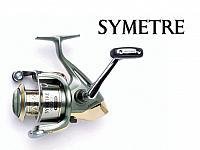
SYMETRE SY4000FI Shimano Fishing Reel


The Split shot rig is a finesse version of a fish finding rig along the lines of but not quite the Carolina Rig. Too many anglers dismiss this method as being too slow or a small fish method. The truth is that it is a deadly finesse method that can cover water as efficiently and as quickly as the Carolina rig. The split shot method also is a great way to catch limits of keeper sized bass. What tournament angler could dispute the success of that? Split shotting is a fairly shallow water finesse technique that works best in depths under 20 feet. It can be worked deeper but the sensitivity decreases as the depth increases. For anglers who arent confident in their worm fishing abilities, the split shot rig is actually nothing like traditional worm fishing.

This method is a cast and crank method that can be more easily compared to crank bait fishing than to worm fishing. The tiny 4inch curly tailed worms are in constant motion on the bottom so it might be even more effective than cranking because the bait stays in the strike zone longer. However simple this may sound, you can increase the effectiveness of the technique by seining the bottom. By this I mean using different casting angles and boat positioning to essentially saturate a grid or area. This way you can potentially present the bait to every fish within a determined area.

Not Just Another Carolina rig

The Split Shot may resemble a Carolina rig but it is different. To tie the rig you must eliminate the bullet sinker. Instead, you just crimp a piece of shot, two or three feet above the Texas rigged bait. I most often distance the shot about 18 to 24 inches above the bait. It is important to use only round shot without the tabs. The tabs will always catch on the weeds and foul the rig. Use size 2 or 4 shot. Make sure you dont fray the line when you crimp the shot down on it. I prefer softer shot to prevent damaging the line. Water Gremlin, makers of weights and sinkers for fishing has introduced its Bull Shot. This is a bullet weight or conical shaped weight with a new twist. Like its famous squeezable split shot weights that crimp on to the line, Bull Shot weights have the same premise. Here you can place your bullet weight above the hook in any desired length. Just squeeze it on and it will stay in place. Gone are the days of multi knot rigs. It is a quick and easy way to rig up your soft plastics. This may be the best alternative if avoiding weeds and snags are your concern. The pointed shape comes through snags with ease and takes this rig to a new dimension.

This is a true finesse rig. Using this rig requires an angler to scale down his/her tackle. A four-inch bait is about the largest an angler should use. Employ a size 1/0 or size 1 Aberdeen style hook. Rig the bait on the seam. This along with the Aberdeen hook is a straight shank style and creates a keel to prevent the bait from rolling thus eliminating line twist. That is the key to the natural swimming motion of this bait. Fine diameter line and light spinning gear are necessary for this technique. I use a 6 or 6-6 foot ML spinning rod and 6lb test for this technique.

Employ the split shot rig when fishing in depths shallower than 20 feet. Any deeper and youll lose contact with the bait. The split shot retrieve is slow and steady. Maximum bottom contact is essential. You simply have to keep the weight in contact with the bottom. This technique is perfect for locating concentrations of bass. Especially when coordinated to cover a specific area from multiple angles. Because the bait is always in motion, wind won't hamper its success. Wind can put a serious damper on regular worm fishing such as a Texas rig. The split shot rig is less affected by wind because you are constantly moving it.

Split shotting is deadly when fishing used water. If I'm fishing behind another boat, chances are that I am throwing a split shot rig to the water that has already been covered by that boat. The split shot method excels in heavily fished waters. That is the beauty of this method. One area in which this method excels is locating fish around uninteresting areas. Most anglers will beat visible cover or structure they see on their LCDs to death. While you can catch fish in these places on split shot rigs, the rig may be better suited for use in boring areas without heavy cover. These boring areas are usually passed over by other anglers and they likely dont receive any exploration because those anglers cant see anything attractive to hold bass.

One particular day I was on an 85 acre pond that was hosting a bass tournament by a local B.A.S.S. chapter. The water was crowded with 15 or so boats and all of the water was used up. Immediately I rigged a split shot worm and I proceeded to catch a limit of decent bass. From what I heard, the participants didnt fair as well. This proved to me how valuable an option this rig is. It took fish in water that was used by skilled anglers. This rig is a good choice when trying to locate fish on an unfamiliar lake. It is often the first tactic I'll try on new waters. When a cold front is passing through the split shot may be the only bait that gets consistent attention from bass.

Anglers must learn to recognize the strike on a split shot rig. It differs from the telltale tap-tap of the Texas rig. The split shot bite tends to feel like a mushy sensation or the feeling of added pressure on the line. Bass do tend to hold onto the bait a bit longer than traditionally rigged worms. The lack of a sliding weight for a bass to feel in its mouth likely is the reason. This set up is just more natural. As with many of the techniques in this book, it might be best to learn what the rig feels like being retrieved unimpeded. Because you will be bumping of bottom with it, you may be in for a tough time recognizing strikes. Just remember that hook sets are free and if you feel anything out of the ordinary, swing on it. One caution with this rig, because you are using light line, try to sweep set the rod sharply to one side of your body. I utilize a set similar to the Slider sweep. You do not want to pop your line by setting too hard with the tiny line. Bass seem to hold on to the bait because of the weightless feeling coupled with the small amount of slack line between the split shot and the bait.

Hand poured worms along with standard grubs, reapers and lizards work well on a split shot rig. One of the best worms for this is the Curly Tail worm from Robo Worm. This is made specifically for the Shot techniques. This is a tiny 4 inch worm that features some wicked hand poured colors. It has a curly tail that is rigged tail down to offset any line twist by being inline with the keel that the Aberdeen hook creates. The worms are scented and salted and bass simply do not drop once they once them up. Ive been using some of the new Cyberflexx baits that really float high off the bottom on this rig. They are very effective and this is a good way to seine the water. The floating bait opens up another dimension to the split shot rig. Now you can cover water above the bottom. This is helpful when fish are suspending a few feet off the bottom.

Anytime is Split Shot time

An angler should recognize the best times to use this method. I use it as a fish finding tool on unfamiliar waters. If you put an easy meal in front of any bass, it is going to tell you something every time. Obviously, if you are simply patterning fish incorrectly, the rig may not be of use to you. If you use it where they live, it will draw a reaction and usually quickly at that. I initially target, sloping primary and secondary points with the rig. From there, I move to small shallow humps, sand bars and depressions, flats and sandy bottom areas. Perhaps one of the best places to utilize the split shot rig is on bare or nothing banks. These areas visually dont look as sweet as say a submerged log jam or weed bed. For this reason, they are often overlooked and passed by most target fishing anglers. The truth of the matter is that bass will be in these areas and often it is because the bottom offers something that the target angler doesnt even know is there. The rig also works well when pulled over shallow flats, sloping points, sandy banks, boat launch ramps and sandbars. Try it in non-traditional fishing spots. Locate bass daily migration routes and try this rig. Many times when fish are spooky, traditional baits wont raise a strike, the split shot rig may be just the ticket to catching a bass with lockjaw. Target spots that other fishermen ignore; bare banks, swimming areas and shallow sandy flats are among the choicest of areas.

Gear Breakdown: Split Shot Rig

Rod: Kistler California Series 6-9 ML Drop Shot rod

Reel: Shimano Sustain 1000FB

Line: Super Silver Thread 6lb

Hook: Gamakatsu size 1 or 1/0 thin wire straight shank

Bait: Robo Worm 4 Curly tail worm

Craig DeFronzo has written over 300 articles that are bass fishing related within the past decade for several of the top bass fishing web sites and periodicals. He is the author of over 12 books and eBooks on bass fishing and is the creator of Micro Munch Tackle. He started a small bait company based on the belief that unique custom tackle would be more appealing to bass that are continuously bombarded by the same commercial baits every day. Custom baits and lighter tackle have helped him achieve success in competition. For more information on custom handmade baits and more articles and Craig's ebooks visit http://micromunchtackle.com/

shimano fishing

Thursday, 8 January 2009

Shimano Tiagra 80 W Big Game Fishing Reel Cover New

Keeping your tackle safe and secure is very important to fisherman. This gear was designed to help you prevent any unnecessary loss of tackle during a day on the water. Protect your reels with Shiamno's new neoprene reel covers. All sides made of neoprene to help absorb the bumps and scratches. Design allows for reel covers to be mounted while the reel is on or off the rod. All sides made out of 5mm neoprene # Gold logo and stitches over shiny black fabric match the color of Tiagra reels and Tallus rods.# All reel covers fit perfectly to specific size of Tiagra reels.


A land where you can hope to snag a hundred lb sailfish using unique gear, where sports fishing charters are available for a wide range of cities located along the coastline (Miami, Pompano & Palm Beach and Fort Lauderdale, to name a few) and great fishing adventures an everyday story - that's the South Florida sport fishing trip for you!!

The Gold Coast in south Florida sport fishing trips area does live up to its name and provides fishermen many opportunities to reel in big Barracudas, Swordfish (known as the gladiator of the sea) and other species like the Mackerel, Kingfish and Amberjack. Of course, those looking out for different fishing holiday with customized fishing gear and tackle routine can rest their claims for fun on hoping to reel in the mighty sailfish - with a record 110 lbs of baggage it carries, it makes for a fine fishing tale!

Inventive anglers are known to play their best lures to snare a sailfish, as old hand at the fishing reel: Captain Vinnie LaSorsa of the GoodFellas Fishing Charters fame is known to do - sailfish reeled in by kite! The kite reeled in a mighty sailfish to Captain LaSorsa and crew-members who'd been luring the fish with live bait hanging from fishing kites, which had suspended hooks skimming the top of the waters; this action created rippling sound waves that attracted the big fish (tuna is also susceptible) and thus the story was told.

However, fishing for the big ones like the Sailfish and Tuna does call upon a huge amount of energy for the fisherman and a hearty breakfast is recommended before setting out to sea - for the sailfish is the hardiest saltwater fish to capture. Those who are not convinced can move on to grappling with sharks on the reel, we say!

And if you take us seriously, then it's Captain Mark the Shark, located out of Miami Beach, that you need; he knows all the varieties - be it the Hammerhead, Bull shark, or the Thresher, he's one skipper that has the reputation of holding a world record for reeling in these predators of the sea.

On the score of fishing tackle, when on a South Florida sport fishing trip, you can take the expert guidance of an experienced fisherman to differentiate between the different kinds of fishing rods, reels and baits best suited for deep sea fishing in waters known to him. These are namely, Penn Formula 2-speed reels, Black Bart Extreme Breakfast Teaser lures, saltwater fishing rods from the Shimano Tallus family and the Illand Black Hole lure. So, you are spoilt for choice when it comes to choosing gear and fishing holes both when on a South Florida sport fishing trip that can be limited to a day-trip or a close-to-shoreline one (e.g. Fort Lauderdale has fish a couple of mile off the coastline).

Thus, we find that booking a South Florida Sport fishing trip is not only the best way to get some outdoor angling fun but more great tips can be added to the avid angler's fund of knowledge by looking up the The South Florida Sport Fishing magazine and women to have their own contest here, called the Senorita Shootout. This is organized in Miami and Fort Lauderdale and women are known to catch all species of fish - from Blackfin Tuna to kingfish and the Wahoo. All types of timelines available for charters!

Abhishek is an avid Fishing enthusiast and he has got some great Fishing Secrets up his sleeves! Download his FREE 116 Pages Ebook, "Fishing Mastery!" from his website http://www.Fishing-Masters.com/772/index.htm. Only limited Free Copies available.

shimano fishing

Wednesday, 7 January 2009

Shimano® FX® RB Spinning Reel

Shimano FX RB Spinning Reel packs power, precision and performance in 1 AFFORDABLE PRICE! Well thought-out features with you in mind! Oversized Power Roller II line roller reduces twist from casting and retrieving and is enhanced with a tapered area on the support to help your line get onto the roller quicker. Meanwhile, DynaBlance technology eliminates wobble during the retrieve by counter balancing the rotor to enhance sensitivity and smoothness. That's only part of the story though... ... here's the rest: QuickFire II gives you easy and fast one-handed casting; VariSpeed oscillating gear for an even line lay that provides excellent castability and manageability; Super Stopper II anti-reverse provides instant hooksetting power; Die-cast aluminum spool; graphite frame, sideplate and rotor; Ported Handle Shank; Approved for saltwater use; Pick Model. Order Now! Model No.: FX1000RD, Retrieve per Crank (in.): 19, Wt. (ozs.): 9, Line Rating (lbs./yds.): 2/270, 4/140, 6/110, Max Drag (lbs.): 7, Gear Ratio: 5.2:1; Model No.: FX2500RD, Retrieve per Crank (in.): 21, Wt. (ozs.): 9 1/2, Line Rating (lbs./yds.): 6/170, 8/120, 10/100, Max Drag (lbs.): 7, Gear Ratio: 5.2:1; Model No.: FX4000RD, Retrieve per Crank (in.): 24, Wt. (ozs.): 12, Line Rating (lbs./yds.): 8/240, 10/200, 12/160, Max Drag (lbs.): 15, Gear Ratio: 4.6:1; Shimano FX RB Spinning Reel


Owen Sound may be a Music City, but most anglers know better. Owen Sound of Ontario, Canada is a Salmon Fishing City, a city where the most rewarding game of salmon fishing can be found. Owen Sound of Ontario, Canada is indeed breadth by breadth a salmon city.

The waters over Owen Sound are remarkable in several aspects. One such aspect is its Lake Effect Snow phenomenon indigenous only to the Great Lakes. As such, residents in the area sometimes experience harsh snowfalls even on clear skies. And on winter, the norm is 80 inches of snow and long, long weeks of dull gray weather.

But even the waist high of snow doesnt deter salmon anglers to go salmon fishing on Owen Sound. In fact, to combat the Great Gray Funk (or the Seasonal Affective Disorder), most locals know how to combat such seasonal disorder. They have just one therapy in mind: to go on salmon fishing.

And salmon fishing on Owen Sound is what they do. Anglers couldnt care less about an 8 inch snow, only those heavy runs of salmon and trout.

Breaking a hole in the ice and dropping a line. That was one ancient fishing practice. Though I cannot recommend such idea to be good or bad, perhaps on this list of several experts in salmon fishing on Owen Sound you can find one to tell you what. But definitely they can tell you how to get near those salmons and even show you how to chase those weather blues out of your system.

Gearing up for salmon fishing? Be sure to catch the latest info regarding salmon fishing on Owen Sound.

Going Fishing TV

Website: http://www.goingfishingtv.com/newsletter.view.asp?id=1

From Newsletter to the Going Fishing Television Series, Mr. Darryl Choronzey can be said as the typical mans fisherman. Not as flashy as the emerging breed of tournament anglers, though equally reputable in his own right. Mr. Darryl Choronzey has 40 years worth of fishing experience and it shows on his ranting and raving over his website about various topics regarding Great Lakes angling. Need some tips for landing a Chinook, read some stuff there. Are you in a situation where choosing between a Daiwa reel and a Shimano reel? Listen to what Mr. Darry Choronzey has to say.

While Alaska and British Columbia are blessed with the Catch and Release policy, salmon fishing on Owen Sound doesnt have to be so stringy! In Owen Sound, you eat what you catch. Furthermore, you compete with other anglers in catching those salmons during the Owen Sound Salmon Spectacular Season around August, so check your calendars and have those rods ready.

Any yeah, loosen that belt for the Smoked Salmon and Lemon Crme Frach.
www.foodnetwork.com/food/recipes/recipe/0,1977,FOOD_9936_26720,00.html

Milos Pesic is an avid fisherman and owner of popular and comprehensive Salmon Fishing information site. For more articles and resources on Salmon Fishing related topics, Salmon Fishing equipment, tips and trips, visit his site at:

=>http://salmon-fishing.need-to-know.net

shimano fishing